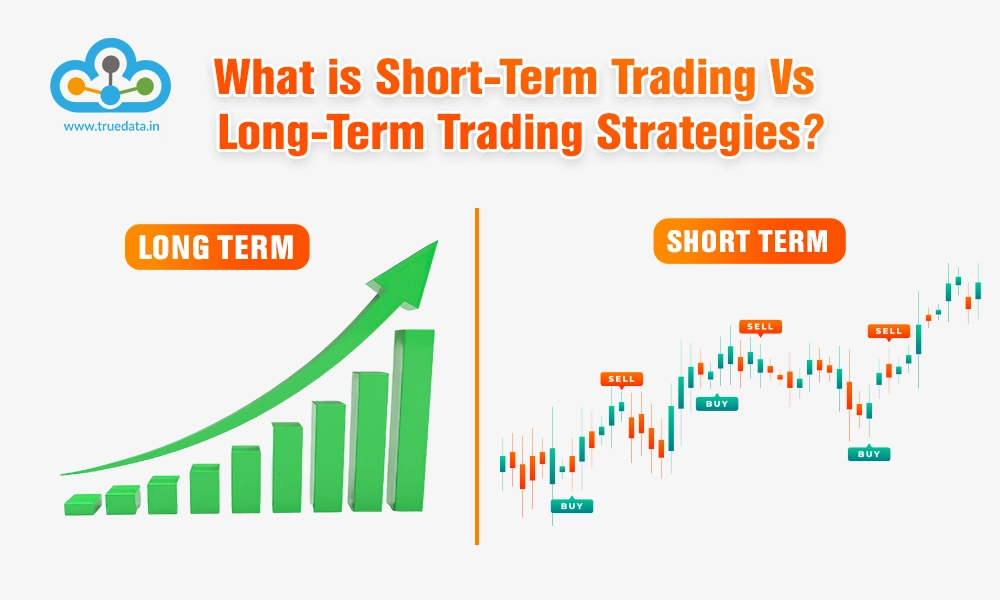
In a world obsessed with quick wins and instant results, long-term investing often feels outdated. Many people chase fast profits, reacting to daily headlines and short-term market movements. Yet history repeatedly shows that lasting wealth is rarely built overnight. Instead, it is the result of patience, discipline, and a well-designed long-term strategy.
Investing in a long-term strategy does not guarantee instant success, but it creates the conditions for sustainable financial growth. This article explores why long-term thinking matters, how it leads to long-term fortune, and what investors can do to stay committed to the process.
What Is a Long-Term Investment Strategy?
A long-term investment strategy focuses on growth and stability over many years, often decades.
Core Characteristics
- Clear financial goals
- Diversified asset allocation
- Minimal emotional trading
- Consistent investing behavior
Rather than reacting to short-term noise, long-term investors focus on enduring trends and fundamentals.
Why Long-Term Strategies Work
Markets are unpredictable in the short term but more reliable over longer periods.
Time Reduces Volatility
Short-term price swings are driven by emotion, speculation, and news. Over time, these fluctuations tend to smooth out as businesses grow and economies expand.
Compounding Rewards Patience
Compounding allows returns to generate additional returns. The longer money stays invested, the stronger this effect becomes.
The Difference Between Long-Term and Short-Term Thinking
Short-Term Investing
- Frequent trading
- Emotional decisions
- Higher transaction costs
- Stress and uncertainty
Long-Term Investing
- Lower turnover
- Strategic decision-making
- Reduced emotional pressure
- Greater consistency
Long-term investors often benefit from simplicity.
Long-Term Strategy and Wealth Building
Wealth accumulation is rarely linear.
Steady Progress Over Time
Long-term strategies prioritize steady growth rather than dramatic spikes. This approach reduces the risk of significant losses.
Avoiding Costly Mistakes
By holding quality investments through market cycles, investors avoid the common mistake of selling during downturns.
Diversification: A Long-Term Essential
Diversification plays a central role in long-term success.
Spreading Risk
Investing across different assets, sectors, and regions reduces reliance on any single outcome.
Flexibility Across Market Conditions
Diversification allows portfolios to adapt to changing economic environments without constant intervention.
Discipline Is More Important Than Timing
Perfect timing is unrealistic.
Consistency Beats Prediction
Regular investing over time often outperforms attempts to time market highs and lows.
Staying Invested
Missing even a few strong market days can significantly impact long-term results.
Long-Term Strategies Reduce Emotional Investing
Emotions are a major enemy of investors.
Fear During Market Declines
Long-term investors view downturns as temporary, not permanent.
Confidence During Market Rallies
They resist the urge to chase hype and overextend risk.
Income and Growth Over Time
Long-term strategies often combine growth and income.
Dividends and Reinvestment
Reinvesting dividends accelerates compounding and increases future income potential.
Gradual Income Streams
Over time, investments may begin generating meaningful passive income.
Long-Term Investing and Life Goals
Long-term strategies align with major life milestones.
Retirement Planning
Consistent investing over decades helps build retirement security.
Financial Independence
Long-term wealth provides flexibility and freedom of choice.
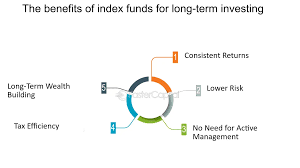
Common Challenges of Long-Term Investing
Patience is not always easy.
Market Noise
Daily news and opinions can create doubt.
Short-Term Underperformance
Long-term strategies may lag during speculative market phases.
Staying committed requires conviction.
How to Stay Committed to a Long-Term Strategy
Practical Tips
- Set clear goals and timelines
- Automate investments where possible
- Review progress periodically, not constantly
- Focus on fundamentals, not headlines
A plan only works if followed.
The Role of Education and Adaptation
Long-term does not mean inflexible.
Learning Over Time
Investors should continue learning and refining their approach.
Adapting Without Overreacting
Adjustments should be strategic, not emotional.
Realistic Expectations Lead to Better Outcomes
Long-term fortune does not mean unlimited wealth.
What It Offers
- Financial stability
- Gradual wealth accumulation
- Reduced stress
What It Does Not Offer
- Guaranteed results
- Constant gains
- Risk-free investing
Understanding this prevents disappointment.
Long-Term Fortune Is Built Quietly
True wealth is often built without attention or excitement.
Boring Can Be Beautiful
Slow, steady progress often outperforms dramatic but inconsistent strategies.
Final Thoughts
Investing in a long-term strategy means choosing patience over prediction, discipline over excitement, and consistency over shortcuts. While short-term opportunities may come and go, long-term strategies build foundations that endure.
Long-term fortune is not about chasing trends—it is about trusting time, staying invested, and allowing compounding to do its work. For those willing to commit, the reward is not just financial growth, but confidence, stability, and peace of mind.
Word Count:
417
Summary:
An Investing Strategy that the most succesful investors use is one that makes time work for them by compounding everything, over and over again. If you’re confounded by compounding – this example will help you understand the true value.
Keywords:
investing strategy, long term investing,
Article Body:
Investors Benjamin Graham and Warren Buffett have made unbelievable fortunes through long-term, value investing.
Making money in the stock market can be dependent on your willingness to invest in long-term investments or buying only undervalued stocks. With a margin of safety on these stocks you will have a little peace of mind and if you are like Warren Buffett, you too may well be able to enjoy an average 22% annual gain. Even more enticing if you know that that’s his record over the last 39 years!
Tremendous results like this are not easily duplicated in the short term or without great experience. With some work and time being on your side it is possible to be the next Warren, but even more possible and likely is for you to become a major player on the investment scene.
No seriously, you can.
The S&P 500�s average long term result is a return of about 11%. Now if you aimed to beat that consistently, that would mean that you are doing very well indeed, almost well enough to live a very comfortable, relaxed existence.
For example – you have $3,000 a year that you can invest purely for your future retirement.
Why are you screaming at $3,000 a year? That’s only $250.00 a month! Come on – you want to retire, don’t you?
Well, invest that in a tax-efficient retirement account that compounds interest, hitting the average 11% at least. Now have a look at your account in twenty years time and you’ll find that you have an extra $178,000, thanks to compound interest – a total of $238,000.
The key to the game is not so much the size of the financial investment that you are making as it is the way that you use it.
Starting young and using the power of compound interest can make you a retirement millionaire in less time than you could ever have imagined. Some investors will lovingly call using compound interest simply using the �force� while others simply call you an idiot for not using it. If you are one of the one�s with the foresight to start investing now, you will be one of the one�s with the ability to brag about the general comfort of your retirement.
Warren Buffett and Benjamin Graham aren�t geniuses or once-in-a-lifetime lucky dogs; they are a few guys who used their money to make money. By putting in everything later in life you may make a solid return, by putting in a solid amount early in life, you may make everything.


Leave a Reply